
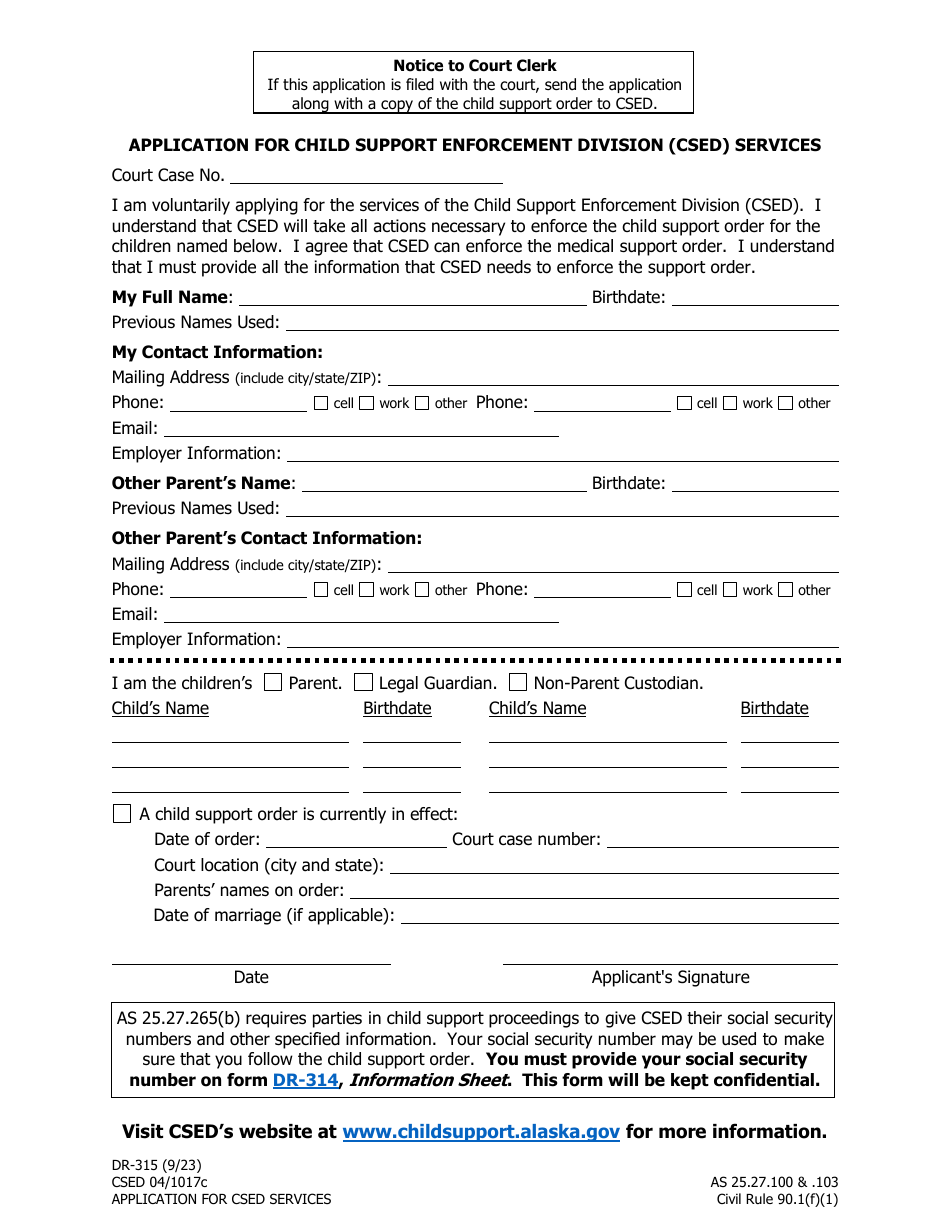
Understanding Support in Enforcement Cases
Enforcement cases can pose significant challenges to businesses and organizations, especially when faced with regulatory investigations. The need for effective support in these situations cannot be overstated. Ensuring that a company is prepared and supported during such trials can make the difference between compliance and costly penalties. For detailed insights regarding this support, you can refer to support in enforcement cases https://hedgehogelectric.com/pages/support-in-enforcement-cases-responding-to-regulatory-investigations.html. In this article, we will delve into the various aspects of support in enforcement cases, the roles of different stakeholders, and the proactive measures businesses can take to navigate these turbulent waters.
The Nature of Enforcement Cases
Enforcement cases primarily arise from regulatory bodies investigating businesses for potential legal violations. This can include areas such as environmental laws, workplace safety regulations, financial oversight, and consumer protection laws. The investigations may stem from complaints, routine inspections, or even whistleblower reports. Regardless of the source, the implications of these investigations can be severe, potentially leading to fines, operational restrictions, or even criminal charges against responsible individuals.
The Importance of Legal Support
Legal support is fundamental when a business is confronted with enforcement actions. Engaging lawyers who specialize in regulatory compliance can ensure that a business understands its rights and responsibilities. They can provide much-needed guidance in preparing responses to allegations, representing the company in hearings, and negotiating settlements when appropriate.
Moreover, legal support is not only reactive; it is crucial for proactive compliance. Having legal experts involved in a company’s operations can help identify potential risks before they escalate into enforcement actions. Regular legal audits and compliance assessments can be invaluable in minimizing exposure to risks.
Internal Support Structures
A company’s internal support structures play a pivotal role in managing enforcement cases. This involves collaboration between various departments, including legal, compliance, human resources, and public relations. Establishing a dedicated compliance team can ensure that there is a group focused on maintaining regulations and addressing emerging compliance issues promptly.
Moreover, cultivating a culture of compliance within an organization is crucial. Training employees on regulatory requirements and best practices can foster an environment of accountability and transparency, which can mitigate risks of violations.
External Relationships: Collaborating with Regulatory Bodies
Building a positive relationship with regulatory agencies can be beneficial in times of enforcement. Companies that maintain open lines of communication with regulators demonstrate a willingness to comply and rectify any issues. This can sometimes lead to more favorable outcomes during investigations and enforcement actions.

Regularly engaging with these agencies can also provide insights into upcoming regulations, allowing businesses to adapt accordingly. Companies should consider participating in industry groups or forums where they can interact with regulators and gain clarity on compliance expectations.
Risk Management and Compliance Programs
Implementing robust risk management and compliance programs can significantly reduce the likelihood of enforcement cases. These programs should include risk assessments that identify vulnerabilities, training programs for employees, and mechanisms for reporting concerns anonymously.
Furthermore, developing a crisis management plan is essential. This plan should outline the steps to take if an enforcement action occurs, detailing roles and responsibilities across departments, communication strategies, and procedures for engaging with legal counsel.
Responding to Regulatory Investigations
When an enforcement action commences, how a company responds can shape the outcome. Prompt and thorough communication is critical during this phase. Businesses should respond to inquiries transparently and comprehensively, providing all requested information to regulators without unnecessary delays.
Having a prepared and capable legal team during investigations can help organizations navigate complex legal landscapes and help ensure the protection of their rights. This support can also include managing public relations strategies that may arise from negative media coverage during investigations.
Conclusion: The Path Forward
Support in enforcement cases is multi-faceted and requires a coordinated approach that encompasses legal, internal, and external strategies. By investing in proactive compliance mechanisms, fostering a culture of accountability, and maintaining open communication with regulators, businesses can significantly improve their ability to manage enforcement risks effectively. The costs of enforcement actions can be substantial, making it imperative for organizations to prioritize their compliance efforts.
Ultimately, companies that take these steps not only safeguard themselves against potential penalties but also build a reputation founded on integrity and compliance. As regulations evolve, being prepared and well-supported in enforcement cases is not just advantageous—it is essential for long-term success.
