
If you’ve been a victim of a scam or have encountered suspicious activity, it’s important to take action. Knowing how to report a scammer can help protect you and others from future scams. In this guide, we will walk you through the steps you should take to report a scammer and provide resources that can assist you in the process. You can find further detailed information by visiting how to report a scammer in UAE https://flippamagazine.co.uk/pgs/how-to-report-a-scammer-in-uae.html.
Understanding Scams
Scams come in many forms, and they can occur online or offline. Some common types include phishing emails, fraudulent investment schemes, tech support scams, and romance scams. Scammers often use various tactics to deceive victims, such as creating a sense of urgency or exploiting personal information. Understanding these scams will help you identify them and take appropriate action.
Why It’s Important to Report Scammers
Reporting scammers is crucial for several reasons:
- Protecting Others: By reporting a scam, you can prevent others from falling victim to the same fraud.
- Assisting Authorities: Law enforcement and regulatory agencies can only act on the information they receive. Your report may help them track down and prosecute scammers.
- Raising Awareness: Reporting scams contributes to disseminating information that can educate others about potential dangers.
Steps to Report a Scammer
1. Collect Evidence
Before you make a report, gather all relevant information. This may include:
- The name and contact information of the scammer
- Details of the scam (dates, amounts, descriptions)
- Any correspondence (emails, messages, etc.)
2. Report to the Local Authorities
If you are a victim of a scam, report it to your local law enforcement agency. This may include:
- Police Department: File a report with your local police to document the crime.
- Fraud Unit: Some areas have dedicated fraud units that specialize in scams.
3. Contact Consumer Protection Agencies
Many countries have consumer protection agencies that handle scam reports:

- United States: Report to the Federal Trade Commission (FTC) at ftc.gov.
- United Kingdom: Contact Action Fraud at actionfraud.police.uk.
- Canada: Report to the Canadian Anti-Fraud Centre at antifraudcentre-centreantifraude.ca.
4. Notify Online Platforms
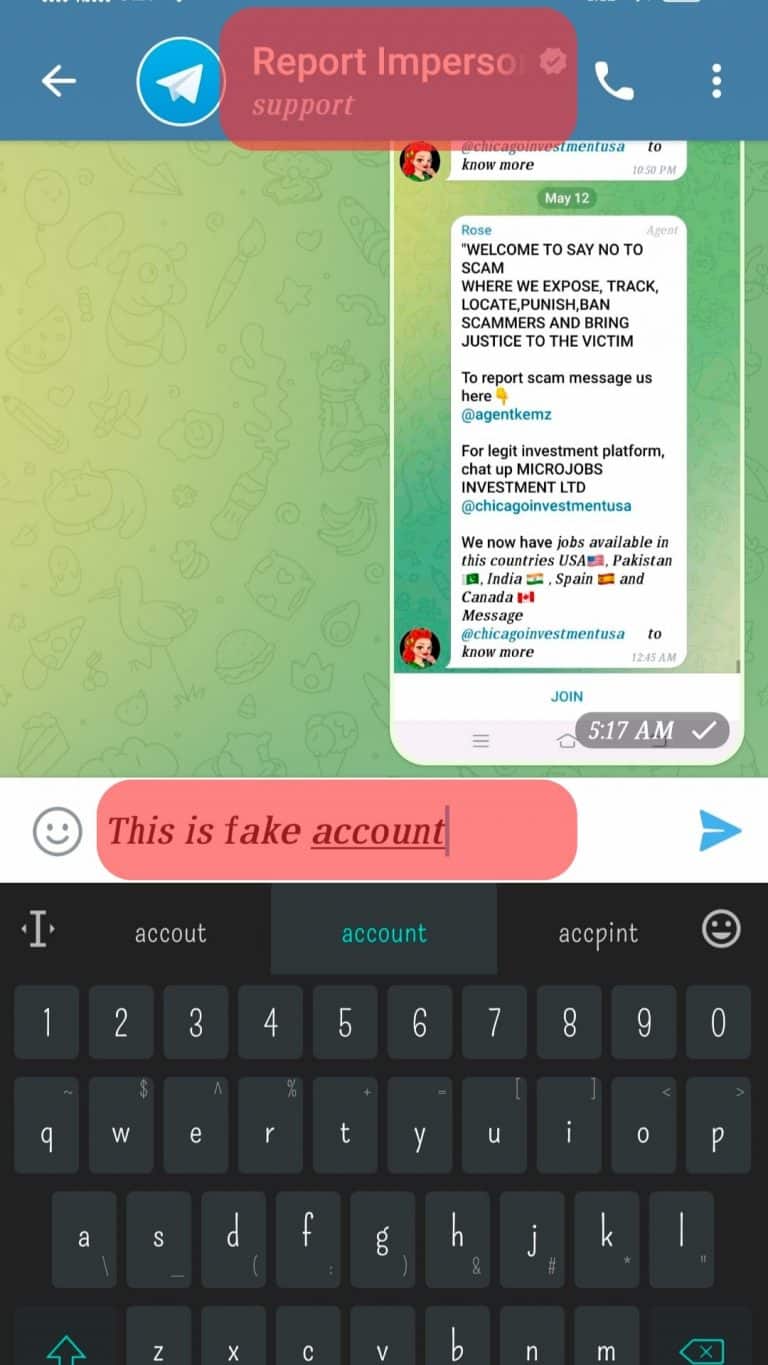
If the scam occurred on a particular platform (social media, e-commerce site), report the scammer to that platform. Most platforms have a reporting mechanism in place. Provide as much detail as possible to aid their investigation.
5. Protect Your Information
If you have shared personal information with a scammer, take precautionary steps. This may include:
- Changing passwords
- Monitoring bank statements for unauthorized transactions
- Placing a fraud alert on your credit report
Resources for Reporting Scammers
Here are some additional resources to help you report scams:
- Internet Crime Complaint Center (IC3): For reporting online scams, visit ic3.gov.
- Bureau of Consumer Protection: Available through the FTC for tips on reporting.
- Better Business Bureau (BBB): To file a complaint against a business, go to bbb.org.
Conclusion
Reporting a scammer is an essential step in combating fraud and protecting both yourself and others. By following the steps outlined in this guide and utilizing the new resources at your disposal, you can take action against scammers effectively. Remember, you’re not alone – help is available, and reporting scams helps build a safer community for everyone.
